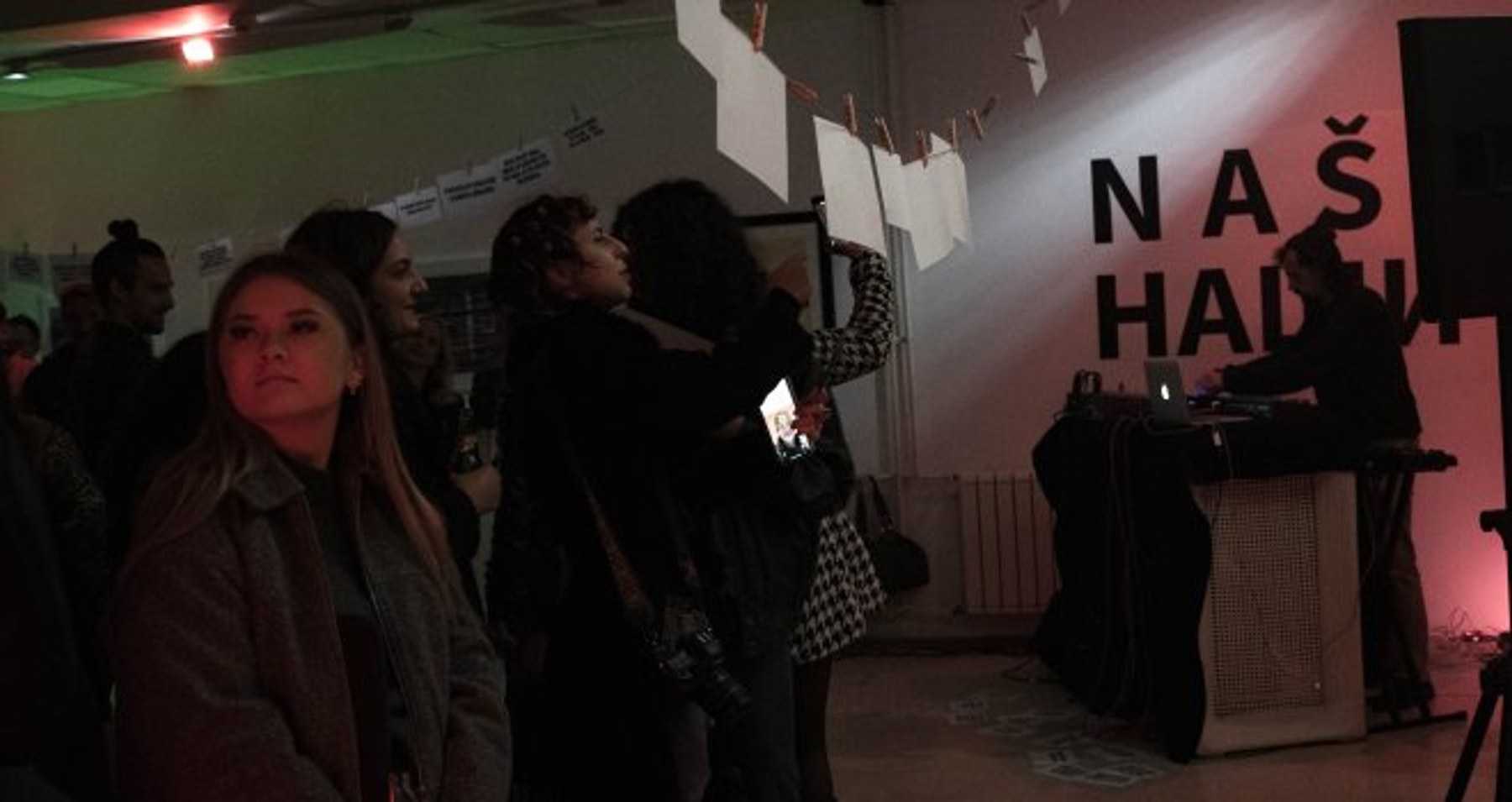
Do last night, it was hard to imagine a fusion of electronic music and the poetry of one of our greatest poets, Abdulah Sidran—but in a packed Charlama Depot gallery in Sarajevo, musician and multimedia artist Nedim Zlatar Basheskia unveiled exactly that, announcing a new album built on Sidran’s verses.
Zlatar is widely recognized for his tireless exploration of sound and his ability to bridge tradition with contemporary expression, once again underscoring the importance of his role within the local music and cultural scene.
Until last night, it was difficult to imagine a fusion of electronic music and the poetry of one of our greatest poets, Abdulah Sidran, but Basheskia demonstrated that Sidran’s verses possess the strength to live across different forms. His sound was modern and pulsating, yet delicate enough to follow words that carry the weight and emotion of Sidran’s writing. The result was a new interpretation and reading of Sidran’s timeless poetry.
Contemporary electronic music, in his arrangement, became a space in which Sidran’s words could breathe new life. Their power was further emphasized by actors Alban Ukaj and Benjamin Bajramović, whose readings and remarkable interpretations of carefully selected verses were accompanied by Basheskia’s soundscapes, creating an atmosphere that gave the poetry an entirely new dimension.
The album, expected to be released by the end of the year, will feature thirteen of Sidran’s poems in a new musical form. The selection was developed in collaboration with the Sidran Foundation, which for the second consecutive year is organizing “Sidran Days,” a festival dedicated to the life and work of one of our most significant writers.
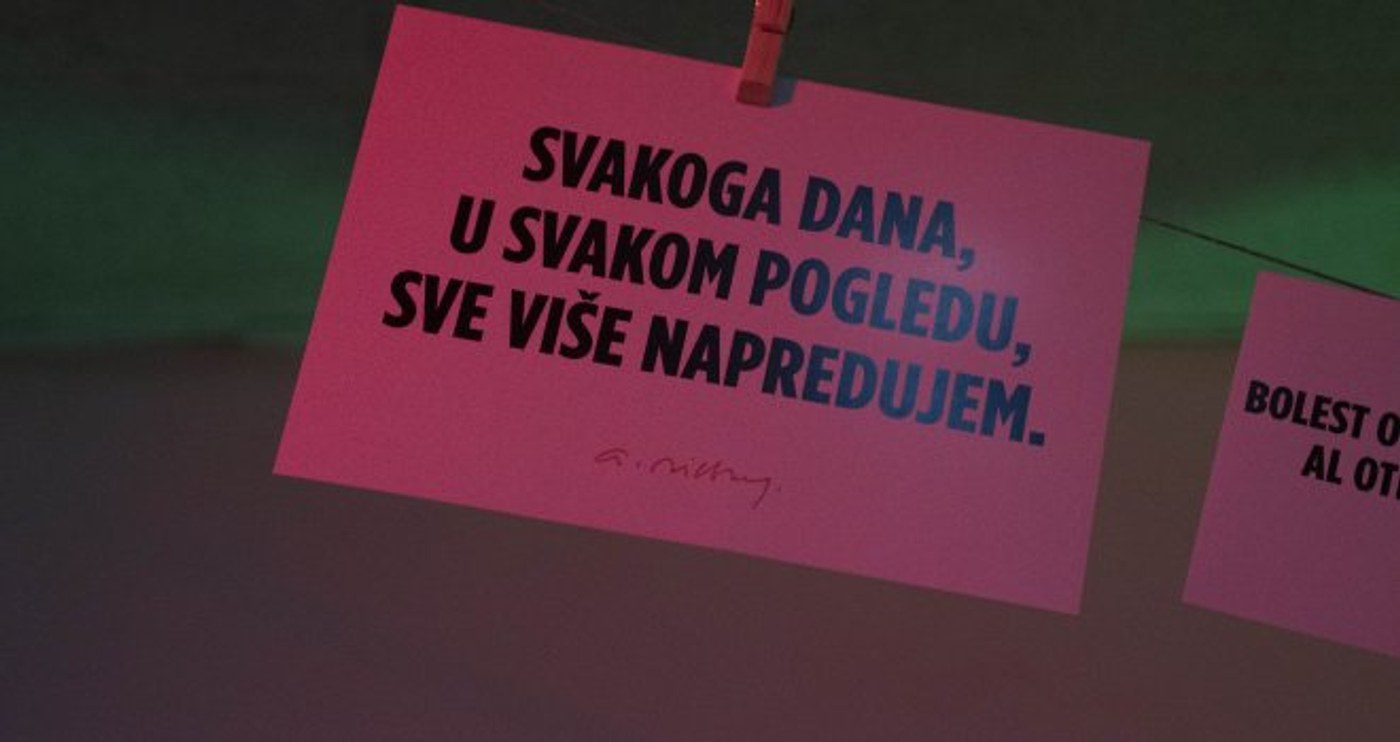
Abdulah Sidran is a poet whose verses have become embedded in collective memory, and whose screenwriting and literary works have not only marked but also shaped our culture. The festival, taking place from October 1 to 4 in Sarajevo, reminds us of the breadth and strength of his opus, bringing his poetic, literary, screenwriting, and journalistic work back to audiences in a way that is both modern and intimate, yet universal. It celebrates and preserves the legacy of Sidran, recognized as one of Europe’s great literary voices.